South Korea’s LetinAR Raises $18.5M for AI Glasses Optics, Counts Japanese Firms as Customers
May 19, 2026
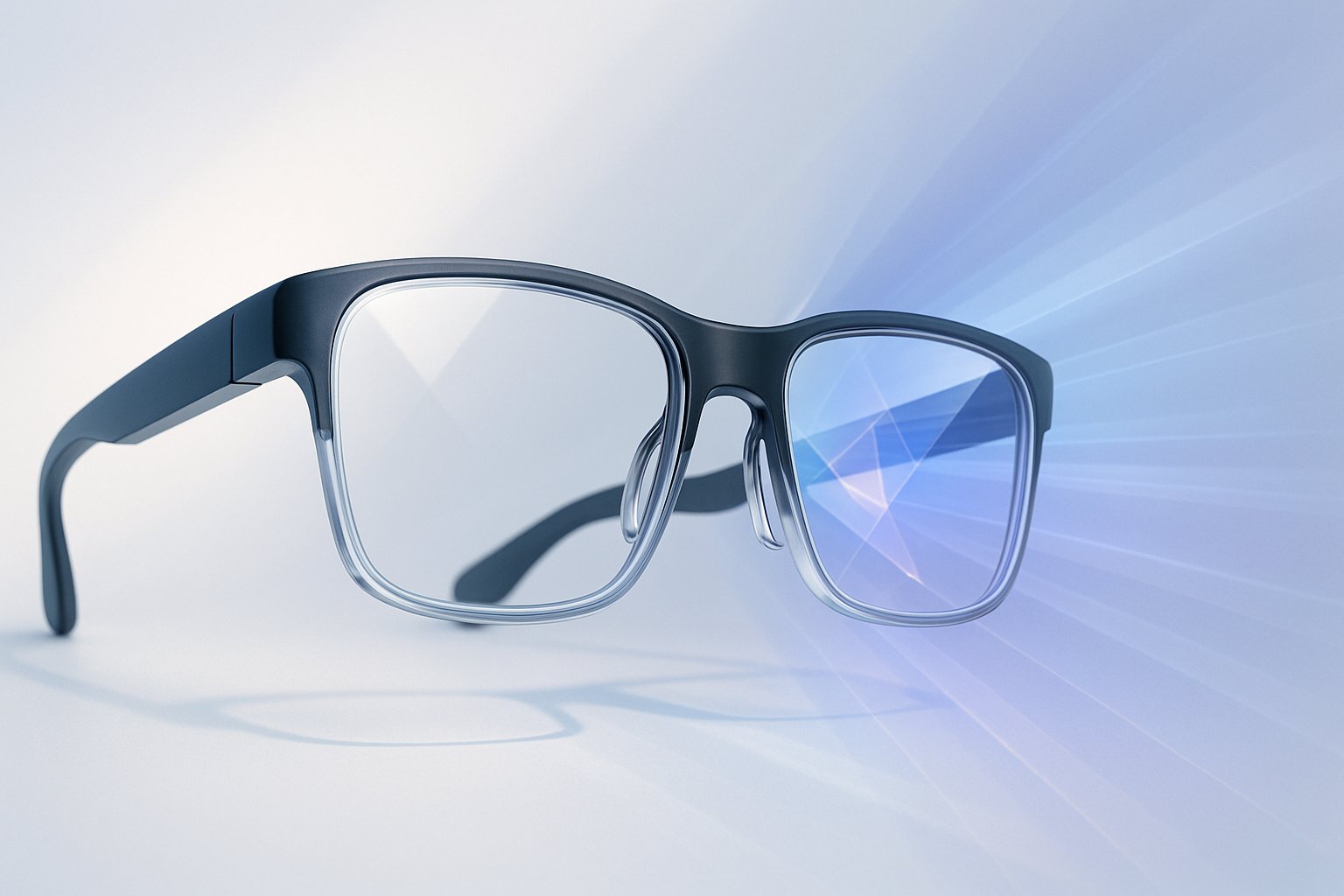
LetinAR, a South Korean optics startup, has raised $18.5 million to expand production of the lens modules that make AI smart glasses wearable.
The company supplies Japanese device makers and Swiss AR helmet maker Aegis Rider, and it is preparing for a planned 2027 IPO in South Korea.
The round arrives as Meta, Samsung, Google, and other major tech companies move deeper into AI glasses, putting pressure on the suppliers that build the hardest part: the optics.
Inside the $18.5 Million Round and the PinTILT Technology
LetinAR was founded in 2016 by CEO Jaehyeok Kim and CTO Jeonghun Ha, who have been friends since high school.
The new round was led by the Korea Development Bank and Lotte Ventures, the investment arm of South Korea’s Lotte Group, bringing total funding to $41.7 million.
LG Electronics, a previous investor in LetinAR, has since started developing its own AI smart glasses, according to local media reports.
The company’s core technology, PinTILT, places small optical elements inside a lens so light is directed straight to the eye rather than scattered.
Waveguide designs, the most common alternative, spread light broadly and produce dimmer images while draining more battery. Birdbath designs are brighter but too bulky for a normal-looking frame.
PinTILT sits between the two, aiming for a thinner, lighter module that uses less power.
A Market Growing Fast Enough to Strain the Component Supply
According to research firm Omdia, global AI glasses shipments reached 8.7 million units in 2025, more than triple the previous year, and are projected to pass 15 million units in 2026.
Meta has sold AI-enabled Ray-Ban glasses since 2023, Google is developing Android XR, and Apple is widely expected to enter. Samsung is reportedly set to unveil its first AI-capable smart glasses, co-designed with eyewear brand Gentle Monster, at a Galaxy Unpacked event in London in July. Huawei, Alibaba, and Xiaomi are also moving in.
For component suppliers, that creates a narrow window to lock in relationships. LetinAR competes with WaveOptics, DigiLens, and Lumus, but its base of Asian customers gives it a distinct regional foothold.
Japanese Customers and the Aegis Rider Helmet
LetinAR already ships modules to Japan’s NTT QONOQ Devices and Dynabook, formerly known as Toshiba Client Solutions. Both relationships give LetinAR manufacturing experience at scale as the industry moves toward mass production.
The company also supplies Aegis Rider, a Swiss deep tech firm spun out of ETH Zurich’s Computer Vision Lab. Aegis Rider is building an AI-powered AR helmet that overlays navigation, speed, and safety alerts onto the rider’s view of the actual road, rather than projecting them on the visor. It is targeting EU and Swiss markets in 2026. LetinAR is also in talks with Big Tech firms on next-generation AI glasses, though it has not named them.
What to Watch Next
The Big Tech companies LetinAR is in talks with have not been disclosed, and the timeline for the planned 2027 Korean IPO has not been laid out.
The specifications of Samsung’s AI smart glasses, reportedly set to be unveiled at Galaxy Unpacked in July, the European launch timing for Aegis Rider’s AR helmet in 2026, and Apple’s eventual entry into the category will each shape how the supplier landscape consolidates from here.
Sources
South Korea’s LetinAR is building optics behind AI glasses (TechCrunch)