Qualcomm Bets on Post-Smartphone Era With New XR Platform
June 16, 2026

What comes after the smartphone? Qualcomm has placed its bet on AI devices you wear. On June 16, the chipmaker introduced two offerings to support that vision, and CEO Cristiano Amon said the company is now working on more than 40 AI device designs, from jewelry to camera-equipped earbuds.
The Two Offerings Qualcomm Announced
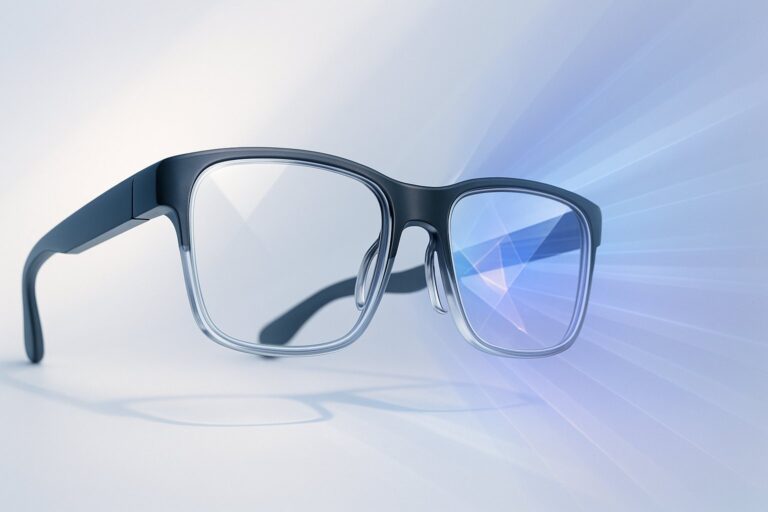
Qualcomm unveiled Snapdragon Reality Elite, a new platform for XR and spatial computing, and START (Scalable Turnkey AI-Ready Toolkit), a program for building AI devices. Both were shown at Augmented World Expo (AWE) in the United States.
Reality Elite targets both all-in-one video-see-through (VST) headsets and lightweight tethered optical-see-through (OST) glasses. Compared with the earlier XR2+ Gen 2 chip, it delivers up to 60% higher GPU performance, up to 30% higher CPU performance, and up to 160% higher NPU (the AI-processing unit) performance, reaching up to 48 TOPS.
As a concrete example, Qualcomm says the platform can run a 3-billion-parameter language model at 45 tokens per second, fast enough for responsive on-device AI. It supports 4.4K-per-eye resolution at 90 fps, with up to 20% longer battery life while running up to 12 degrees Celsius cooler.
START, meanwhile, combines Snapdragon silicon and software to help companies build AI devices such as smart glasses, starting with glasses and expanding to other form factors over time.
The first company to collaborate exclusively with Qualcomm under START is Inspecs, the global eyewear maker behind licensed brands such as Barbour, CAT, Superdry, and O’Neill and the owner of the premium brand TitanFlex.
Why a Chipmaker Is Rushing Toward the Post-Smartphone World
Speaking to CNBC, Amon argued that as companies seek more real-world data to power their AI agents, a wave of hardware startups building new form factors will emerge.
The key device, he said, is “something you wear, something that is with you all the time, something that can see the world around you,” giving users context and a way to talk to an agent.
Qualcomm grew on smartphone chips, but with that market maturing it is hunting for its next pillar. Rather than selling a finished product of its own, the company wants to become the foundational silicon and reference-design layer for whatever comes after the phone.
More Than 40 Device Designs and the Stakes for Apple and Samsung
The first devices to use Reality Elite include XREAL’s Project Aura, shown at Google I/O earlier this year, and an upcoming device from Play for Dream.
According to TechCrunch, START’s white-label program offers three reference designs: an audio-and-camera model similar to Meta’s Ray-Ban smart glasses, a monocular display, and a binocular display.
Amon said this proliferation of new devices could affect the competitive landscape for established smartphone players such as Apple and Samsung.
As those companies push into smart glasses and AI wearables, Qualcomm is not competing on finished hardware but trying to become the default chip platform inside them, much as it did as a leading supplier in the Android smartphone era.
What to Watch Next
XREAL’s Project Aura, built on Reality Elite, is due to launch later this year, though its price and the regions where it will be sold have not been disclosed.
The timing for devices from Play for Dream and others, how far START expands beyond smart glasses, and which of the 40-plus device designs actually ship will signal how quickly this post-smartphone vision takes hold.
Sources
Qualcomm – Qualcomm Takes Spatial Computing into the AI Era with Snapdragon Reality Elite
Qualcomm – Qualcomm Launches Snapdragon START to Enable the Next Phase of Personal AI Devices
TechCrunch – Qualcomm wants to be the chip inside whatever replaces your smartphone