CES 2026 Recap: Why Physical AI Feels Like a Déjà Vu of the IoT Boom — An On-Site Insight Report
This report is an on-site insight analysis based on observations made by Ken Sobajima, CEO of Tomorrow Access, who walked the CES 2026 show floor and closely examined the atmosphere and underlying signals emerging from the event.
Rather than offering a simple trend summary, this report reflects on the growing sense of déjà vu surrounding Physical AI. Drawing on firsthand experience of the IoT boom around 2015, it organizes these observations through an independent perspective, while considering where the industry truly needs to go next.
The Return of Physical Energy at CES
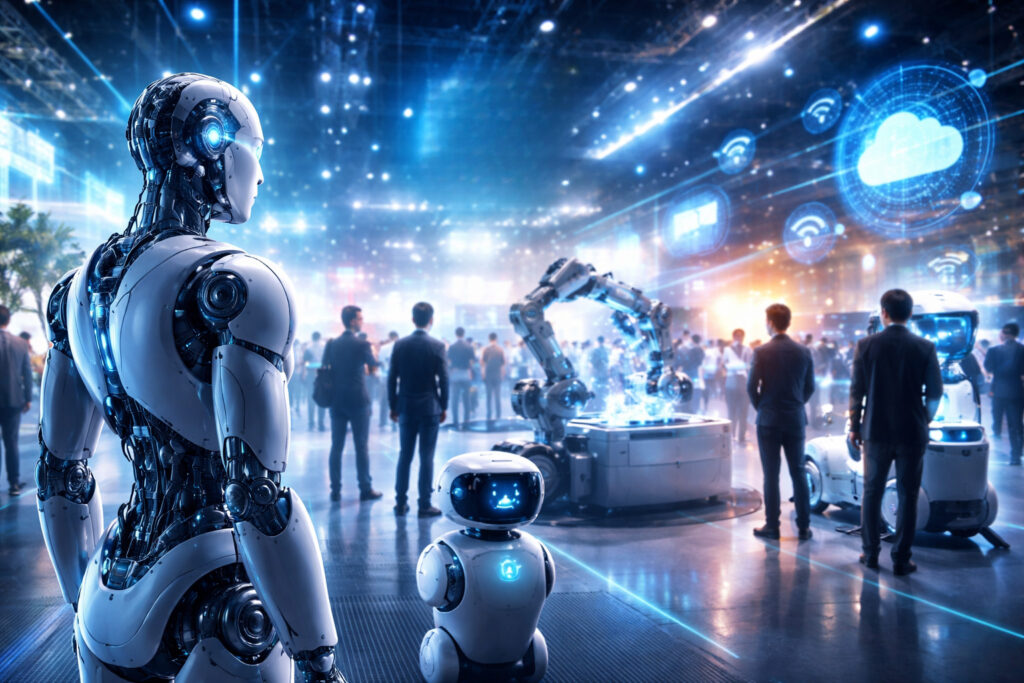
Attending CES 2026, the most immediate impression was clear: the physical energy of the venue has returned.
Even a short walk through LVCC South made this obvious. Areas that had been relatively quiet in recent years were once again filled with booths, with supply-chain players—particularly Chinese companies—returning in force. Accessory-focused exhibits lined the halls, and the scene made it impossible not to think, “People are back.”
That said, for me, the highlight of CES 2026 was not simply the crowd size.
As I walked the entire venue and observed this year’s dominant trend—Physical AI—a strong sense of déjà vu gradually emerged.
That feeling traced directly back to memories of the IoT boom around 2015.
What stood out most at CES 2026 was not any single product, but this collective sense of familiarity—and the question of what it truly means for the industry’s next phase of evolution.
1. AI & Robotics: The Return to Physical AI—and Lessons from the Past
There is no doubt that Physical AI defined CES 2026.
When people hear “generative AI,” most still imagine chat-based interfaces like ChatGPT—AI that exists purely on a screen. At this year’s CES, however, the emphasis had clearly shifted. Generative AI was increasingly embedded into physical robots and hardware, controlling movement, interaction, and real-world behavior.
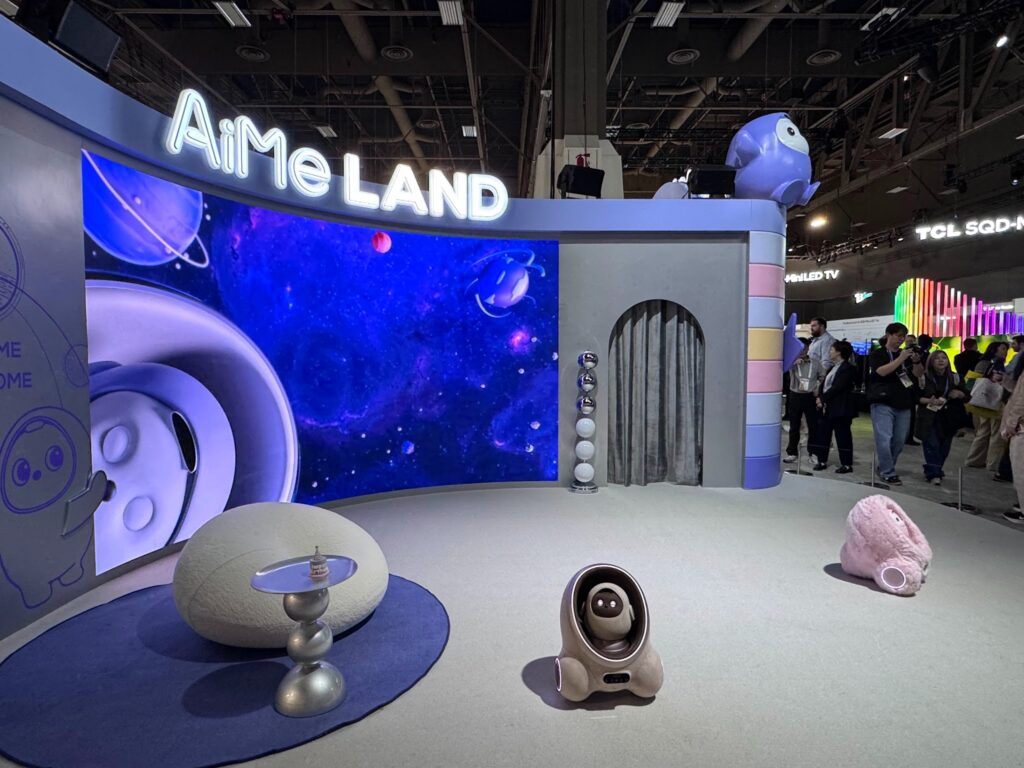

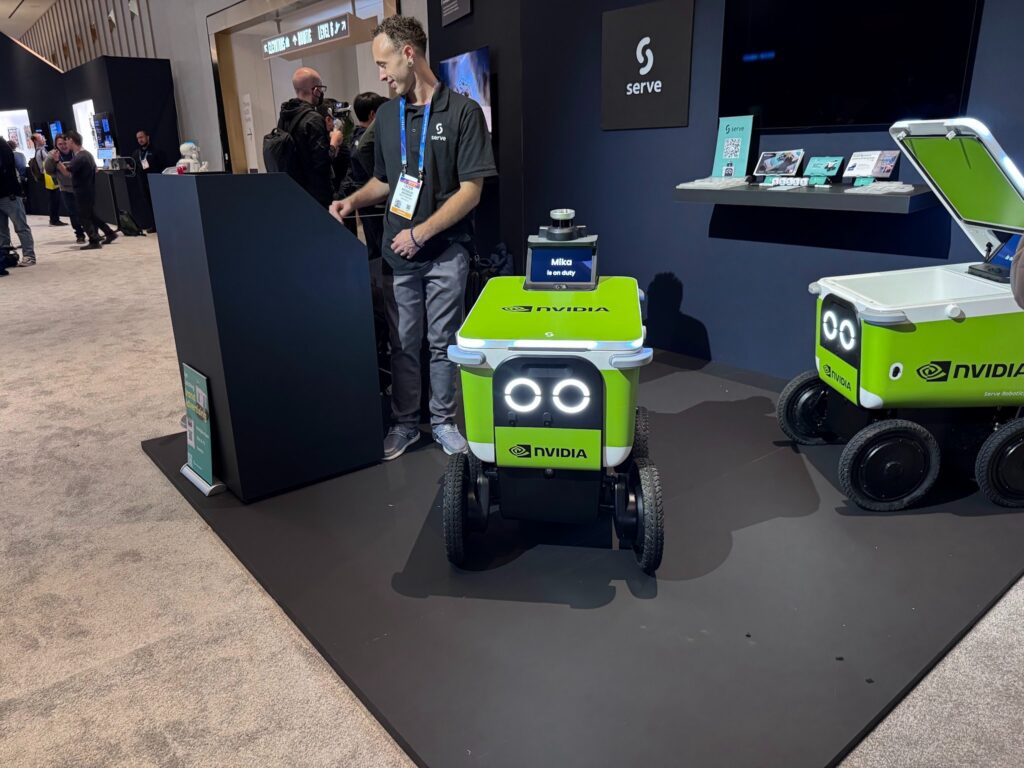
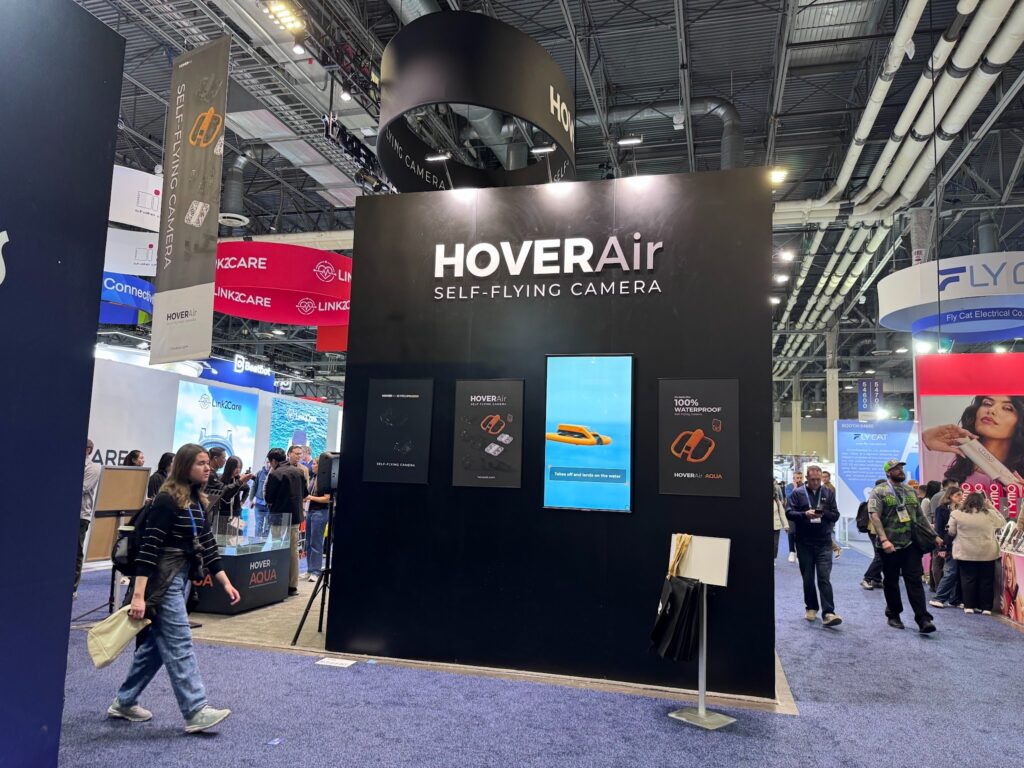
Ironically, this very shift—the return to hardware—is what triggered memories of 2015.
Back then, “everything connected to the internet” was the central narrative. Smart coffee machines controlled by smartphones. Toothbrushes that logged usage data. The show floor was overflowing with clever gadgets, and optimism was everywhere.
But how did that story end?
Two or three years later—around 2017—most of those devices had disappeared from the market. Innovation alone was not enough. “Interesting hardware” proved insufficient as a sustainable business model.
Watching the Physical AI boom today raises an uncomfortable question:
Are we about to repeat the same cycle?
Simply adding AI to hardware does not guarantee success. Without deeper structural change, Physical AI risks becoming a replay of the IoT bubble. So what, then, separates the failed IoT gadgets of the past from the Physical AI systems that may actually survive?
2. The Survival Requirement: The End of “Finished Products”
The answer lies in what companies like Tesla and autonomous vehicle makers have quietly normalized.
Traditional hardware—and most IoT devices—were most valuable at the moment of shipment. From that point forward, they only depreciated. Modern mobility products operate differently. Shipment is merely the beginning. Through continuous software updates, the same vehicle can evolve into something fundamentally new over time.
Software now overtakes hardware.
This shift is the defining requirement for Physical AI and robotics. Simply building “AI-enabled hardware” will not be enough.
To survive, Physical AI must:
- Become smarter over time
- Evolve in how it is used
- Increase in value after purchase
Hardware must no longer be treated as a finished product, but rather as a vessel for an evolving service. Whether companies can embrace this redefinition will determine whether Physical AI becomes a fleeting trend—or the foundation of next-generation infrastructure.
3. What the Venue Temperature Reveals About the Industry
Another revealing aspect of CES 2026 was the stark contrast between venues and company approaches.
LVCC (Major Tech Players): Cautious and Searching
Large technology firms appeared more restrained. Sony, a longtime exhibitor, opted out of a standalone presence, while Samsung hosted a massive private space at Wynn. These moves suggest that major players are re-evaluating how—and whether—CES fits into their broader strategy.
NVIDIA (Jensen Huang): Unmatched Momentum
In contrast, NVIDIA’s presence was overwhelming. CEO Jensen Huang not only delivered major announcements but also appeared at Lenovo’s keynote at Sphere. His influence felt ubiquitous, signaling continued acceleration from last year’s momentum.
Venetian (Startups): Chaos and Intensity
Meanwhile, the Venetian was packed to the point of congestion. National pavilions clustered tightly together, and the hunger of startups striving to become “someone” was unmistakable.
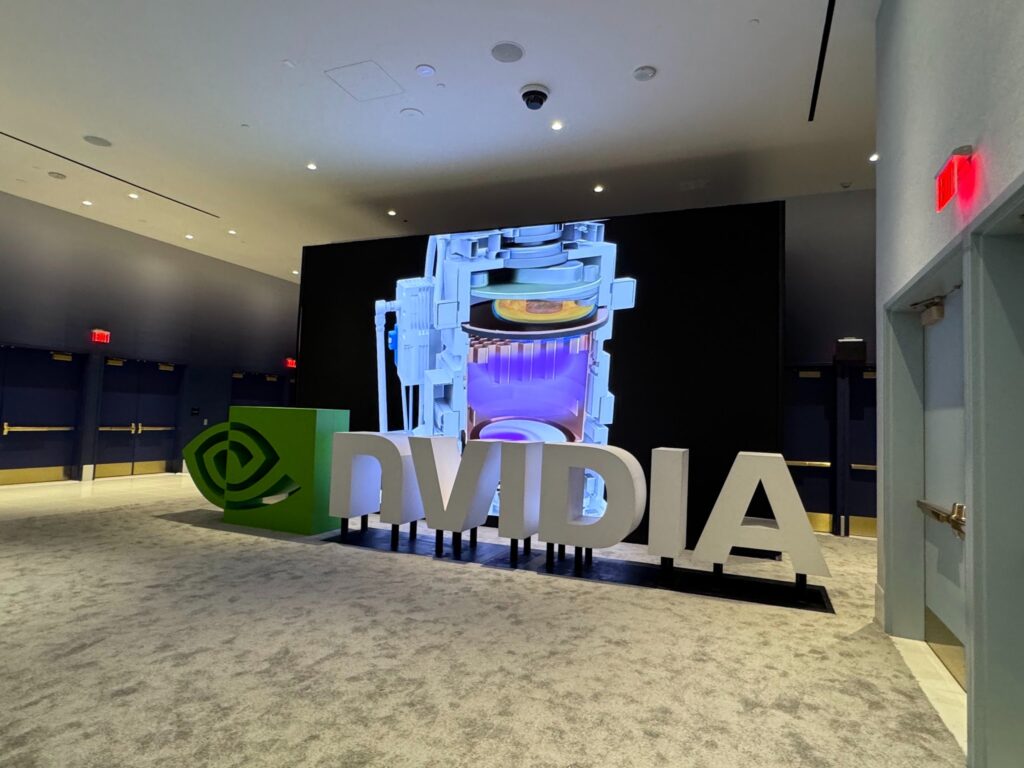

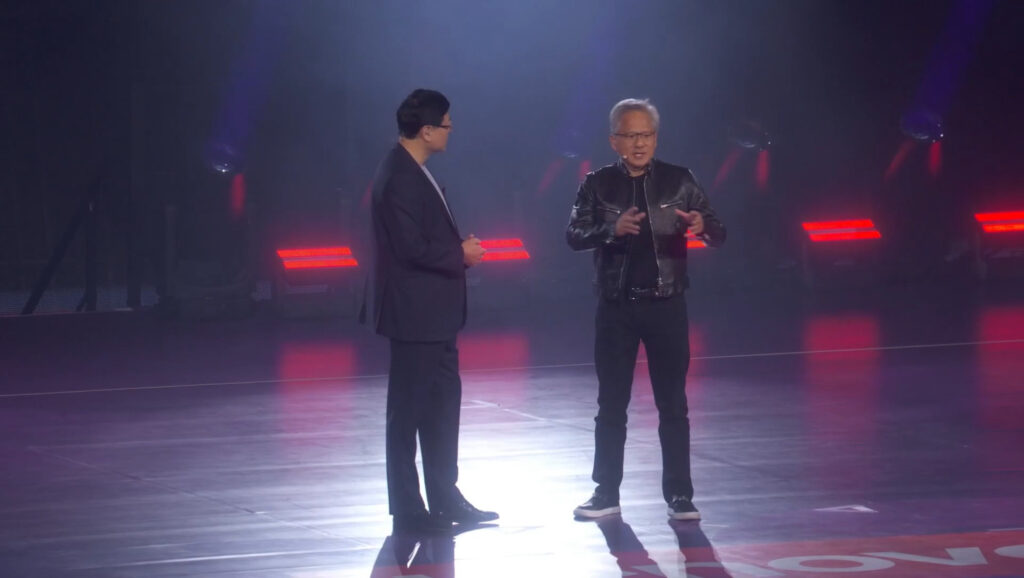
This contrast is not merely geographic. It reflects the current state of the Physical AI industry itself: strong excitement, but an unresolved path to sustainable business.
4. The Core Question: Can Physical AI Actually Make Money?
Ultimately, everything comes down to one unavoidable question:
“Can this generate profits?”
Markets have now seen how SaaS and pure-software generative AI companies can scale revenue at breathtaking speed—reaching $100M ARR with unprecedented velocity. Investor expectations have shifted accordingly.
Hardware and robotics face inherent disadvantages: manufacturing costs, physical maintenance, and lower margins. Against this backdrop, Physical AI must prove that it can:
- Build sustainable subscription or recurring revenue models
- Scale at a speed comparable to software-only AI businesses
Without clear answers, the excitement of CES 2026 risks being remembered as yet another short-lived boom.
After the Hype
There was real energy at CES 2026. LVCC South and the Venetian were filled with people, and experiencing that atmosphere firsthand reaffirmed the value of physical events.
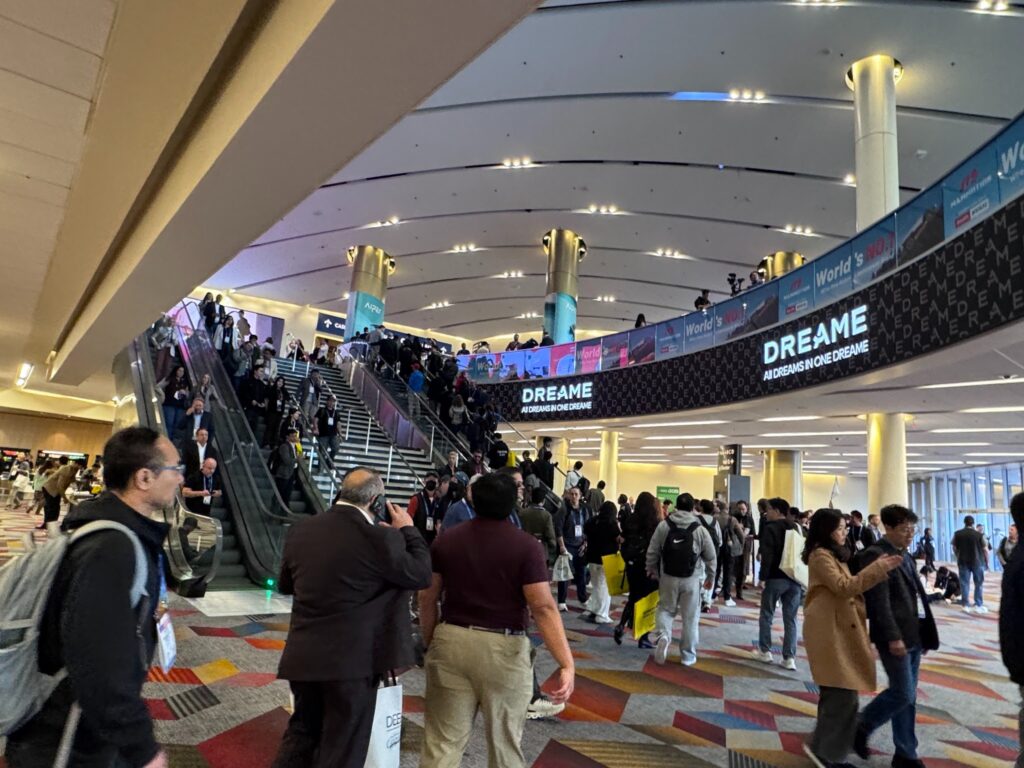
Still, memories of 2015 linger. That era was also full of optimism—and yet only a handful of hardware companies ultimately survived.
This time, one can only hope that Physical AI moves beyond technological novelty and succeeds in developing quiet but reliable business models that allow it to become part of everyday life.
Which companies remain standing this time next year may provide the answer.