Tesla Ends Model S/X Sales, Accelerating Its Shift Toward an AI Company with Cybercab and Optimus
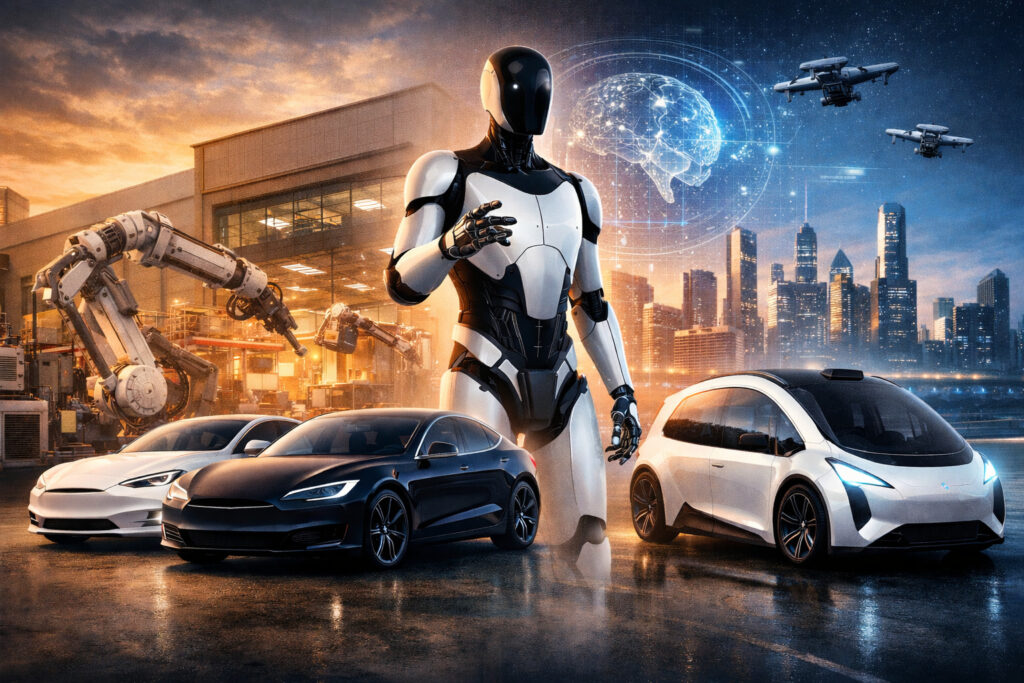
Tesla’s long-running flagship vehicles, the Model S and Model X, are finally approaching the end of the road.
Based on TechCrunch’s April 3, 2026 coverage and Tesla’s latest moves, the company appears to be moving beyond the traditional identity of an automaker and further positioning itself as a platform company centered on AI and robotics.
This article looks at the revenue strategy behind the decision and how Tesla is reallocating capital and manufacturing resources toward its next-generation businesses.
1. A $15,000 Price Increase on Remaining Inventory Signals a Focus on Margin Maximization
Tesla has reportedly stopped accepting custom orders for the Model S and Model X on its official website. What is drawing particular attention now is the pricing strategy for the remaining inventory, estimated at roughly 600 vehicles globally.
According to reports, Tesla has raised prices on the final batch of Model S and Model X inventory by approximately $15,000 per vehicle.
This is not simply a straightforward price hike. Instead, Tesla appears to be packaging the vehicles with features such as Full Self-Driving (FSD) and lifetime free Supercharging under a “Luxe package,” effectively maximizing revenue per unit.
From a business standpoint, the move is highly rational. Tesla is monetizing the scarcity value of discontinued flagship models while channeling additional profits into the development of next-generation technologies.
2. Redirecting Factory Resources Toward Optimus Production
The most important strategic objective behind ending Model S/X production appears to be the reallocation of manufacturing resources.
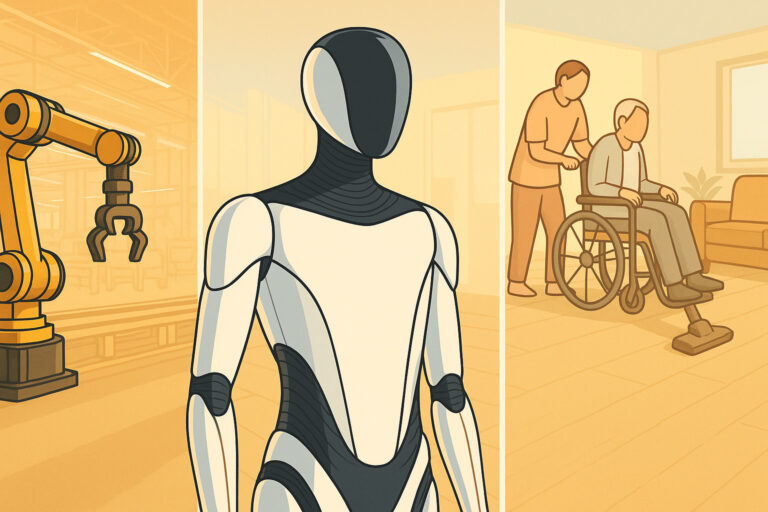
At Tesla’s Fremont factory in California, the production lines previously used for the Model S and Model X are expected to be repurposed for Optimus, the company’s humanoid robot.
There is a clear logic behind this shift. Tesla is leveraging capabilities developed through vehicle manufacturing—including battery technology, actuators, and large-scale production know-how—for robotics. Securing factory capacity is therefore a critical prerequisite for scaling Optimus.
Elon Musk has repeatedly suggested that the long-term market opportunity for robots could eventually exceed that of automobiles, making Fremont a strategically important hub in Tesla’s broader robotics ambition.
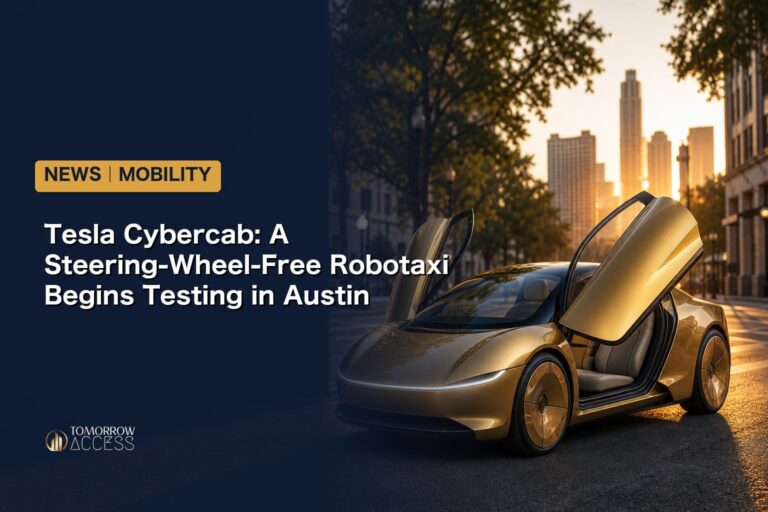
At the same time, Gigafactory Texas is expected to begin production of the Cybercab, Tesla’s purpose-built autonomous vehicle. With no steering wheel or pedals, the Cybercab represents Tesla’s vision of transportation as a service and a more direct embodiment of its AI stack.
3. New Opportunities and Risks in Tesla’s Transition to an AI Company
Tesla is now entering a phase in which stable cash flow from the Model 3 and Model Y is increasingly being used to support higher-risk, higher-upside bets in what can be described as physical AI: autonomous mobility and humanoid robotics.
The pricing strategy around the remaining Model S/X inventory suggests that, as R&D spending rises, Tesla is placing even greater importance on extracting profit from its existing businesses.
The commercial deployment of steering-wheel-free vehicles and humanoid robots still faces substantial regulatory and safety hurdles in multiple markets. That means Tesla’s execution risk remains high even if the strategic direction is clear.
A broader question for investors is how Tesla will be valued as its business mix evolves from vehicle sales toward AI-driven services, autonomy, software, and robotics. The company’s long-term narrative is becoming less about cars alone and more about platform economics.
Conclusion: Investing in the Infrastructure of the AI Era
The end of the Model S and Model X marks the close of one chapter for Tesla, but more importantly, it signals a deliberate acceleration toward becoming an AI platform company.
The premium pricing on remaining inventory is not just a final effort to monetize legacy products. It is also part of a larger capital allocation strategy designed to fund autonomy, robotics, and the infrastructure of the next technological era.
Tesla’s aggressive reallocation of resources may prove to be one of the clearest signals yet that the company sees its future not simply in making cars, but in building the physical systems that could define the AI economy.
Sources: TechCrunch, “The final days of the Tesla Model X and S are here. All bets are on the Cybercab” (April 3, 2026) / Basenor, “Tesla Raises Model S & X Prices by $15,000” (April 5, 2026)